Why Is Everything So Expensive in Jersey? The True Cost of Being an Island
If you've ever filled a trolley here then done the same shop in the UK, you'll know the sinking feeling. But why is Jersey really dearer — and what can you do about it?
Why is everything so expensive in Jersey? It's the question I hear more than any other running Buy.je. Whether it's a £4 coffee, £1.75 for a litre of milk, or diesel nudging £2 a litre again, islanders feel like we're paying over the odds for almost everything. Are we imagining it, or is there something structural about a nine-by-five island that makes life cost more?
The short answer is: no, you're not imagining it, but the reasons are more specific than "greedy shops." Jersey imports almost everything — food, fuel, building materials, even water for some uses — by sea or air. Every extra freight leg, every bit of harbour handling, every small-market surcharge lands on the shelf price.
Start with the official numbers, because they keep us honest. Jersey's Retail Prices Index, our main inflation measure, was 2.8% in the year to June 2026, exactly matching the UK's CPIH at the time. That sounds reassuring until you look inside it. Food was up 3.5%, catering up 5.6%, fuel and light up 9.9%, with heating oil up an eye-watering 53.5% year-on-year and petrol and oil up 18%. Housing on paper fell 0.4%, but only because mortgage interest moves mask what renters actually pay.
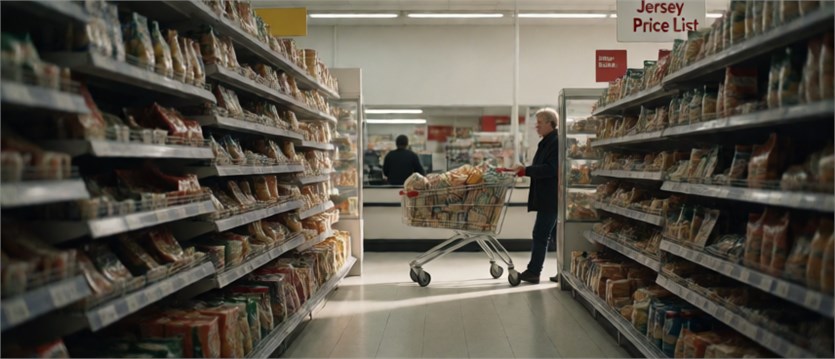
Food is where the island premium bites hardest. Statistics Jersey's price collections show beef up 19.7% in a single year to March, coffee and cocoa up 15.9%, and over five years lamb up 62.6% and beef up 62.5%. On the shelf that means around £4.05 for a kilo loaf, £4.57 for a dozen eggs, £8.79 a kilo for chicken fillets and £12.53 a kilo for beef. Some of that is global — poor cocoa harvests, freight disruption — but a lot is local: small consignments, chilled containers, and the cost of running a supermarket for 100,000 people rather than 67 million.
Then there's energy. Jersey Electricity raised prices 7.5% in January 2025 and another 2.5% from March 2026, adding about £60 a year for a typical 10,000-unit all-electric home. That still leaves us roughly 50% cheaper than the UK for electricity, thanks to low-carbon French nuclear and hydro imports through the subsea cables, plus the new St Clement solar farm. If you're on oil or gas, though, you've had it worse. Island Energy added 5% to gas tariffs, and Rubis warned in late September 2026 that global fuel up nearly 30% since August was feeding straight to the pumps. For country parishes with an oil tank to fill in one go, a £600 hit hurts more than any direct debit.